A Backbone of Manufacturing: Comprehending Metal Forming Machinery


In the world of production, precision and durability are crucial components that shape the quality of the end product. Central to attaining these qualities is the often-overlooked equipment known as metal forming machinery. These machines act a key role in forming metal into forms that meet the particular needs of multiple industries, from automotive to space exploration and beyond. Grasping the details of metal shaping technology is important for individuals involved in manufacturing processes, as they function as the backbone of effective manufacturing operations.
These machines includes a wide range of tools and approaches used to manipulate raw metal into usable shapes. Whether it involves flexing, elongating, or molding, this machinery permits manufacturers to produce components that are not only resilient but also intricately designed. As the field progresses, so too do the features of metal shaping equipment, enabling higher efficiency and greater precision. Recognizing the value of these machines gives insight into how they play a role to the complete functionality and efficiency of the production industry.
Types of Metal Forming Machinery
Metal forming machinery encompasses various machines designed to shape and manipulate metal into specific shapes. kiston-machinery of the most common types is the press machinery, which includes hydraulic presses, mechanical presses, and servo presses. These machines use force to compress metal sheets, making them suitable for tasks such as stamping, punching, and bending. The flexibility of press machinery allows manufacturers to produce intricate components with precision and efficiency.
Another important category is the forging machines, which are used to shape metal through the application of compressive forces. These machines can be categorized into hammer-type machines, screw-type machines, and forging presses. Forging is ideal for creating strong and durable components, making it a favored method in fields like aerospace and automotive. The extreme heat and pressure involved in forging improve the qualities of the final outputs.
Finally, rolling machines play a vital role in metal forming by reducing the thickness of metal sheets or strips. These machines operate by moving metal through a set of rollers, allowing for the continuous production of materials with uniform thickness. Rolling can be done hot or at room temperature, depending on the desired properties of the end item. This process is critical for creating sheets, plates, and other flat products used in a wide range of applications.
Uses in Production
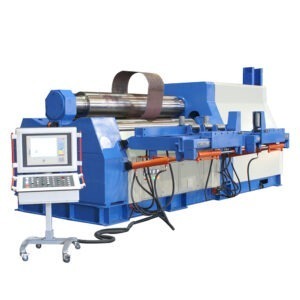
Metal forming machinery plays a crucial role in various manufacturing processes, enabling the production of components with accuracy and efficiency. Industries such as car manufacturing, aerospace, and building significantly rely on these devices to create components that meet rigorous specifications. From sheet metal shaping to forging and stamping, the versatility of metal forming machinery allows manufacturers to produce complex designs while maintaining the integrity of the material.
In the car sector, for example, metal forming machinery is necessary for producing body panels, frames, and engine components. Methods like deep-drawing techniques and hydraulic forming are used to mold metal sheets into intricate forms that enhance automobile efficiency and visual appeal. Similarly, in aerospace manufacturing, cutting-edge metal forming methods are employed to ensure light yet robust components that meet high safety standards.
Furthermore, metal forming machinery is not limited to massive manufacturing. SME enterprises also gain advantages from these technologies by using them to create custom parts and prototypes. This versatility contributes to creativity, allowing manufacturers to react quickly to customer needs and develop new products. As sectors continue to grow, the significance of metal forming machinery will only increase, solidifying its role as a backbone of modern manufacturing. spintax ### Emerging Advancements in Metallic Forming Technology
The outlook of metal forming tech seems ready for significant developments driven by automated processes as well as artificial intelligence. Companies have increasingly been utilizing intelligent machines that employs sensors combined with learning algorithms for optimize the shaping procedure. This combination facilitates immediate adjustments throughout output, which enhances effectiveness while lowering loss. The capacity to analyze data gathered from performance indicators can empower producers to foresee and counter challenges before they occur, resulting in improved standards along with uniformity for finished products.
Another emerging movement is the adoption of cutting-edge materials and creative fabrication approaches. As the rising need for lightweight as well as high-strength materials in various fields, engineers are exploring novel combinations between metals and compound materials. Techniques including 3D metal printing are becoming increasing acceptance, allowing for more complex designs which were unfeasible using conventional metal fabrication methods. Such a transformation merely expands creative possibilities but also encourages an eco-friendly method during production, because it lowers material usage.
Sustainability is set to play a crucial role in shaping a future for metal fabrication equipment. As fields have been compelled to adhere to stricter eco-friendly guidelines, a growing concentration towards power-efficient solutions and operations. Producers continue to be investing in machinery that reduces power consumption and maximizes recyclability of materials. This movement in the direction of circular economic practices will shape how we design plus operation of metal fabrication machinery, fostering approaches that emphasize efficiency and eco-friendliness across the product lifecycle.